Issues of The Hat
January 2026
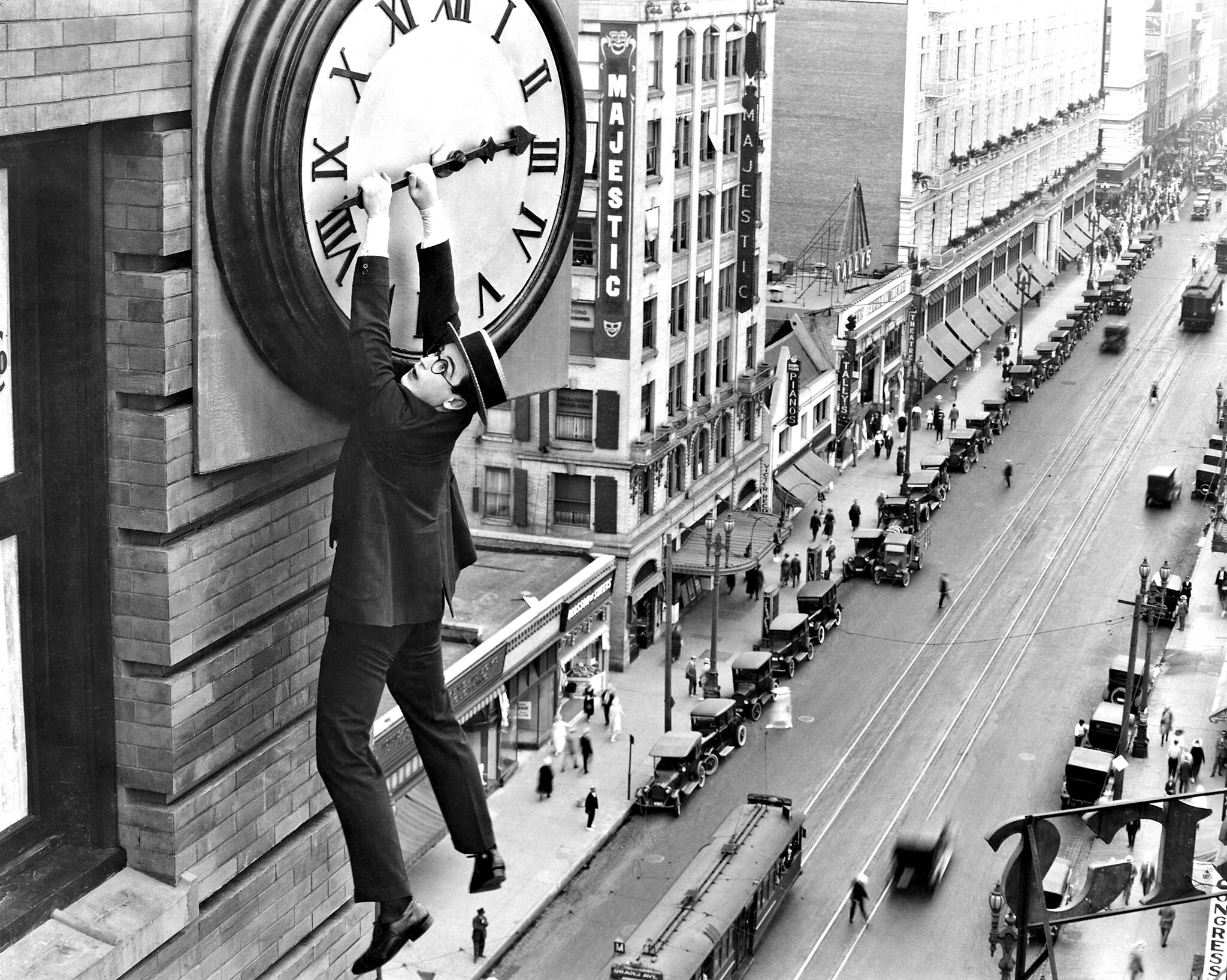
As Sam Pinkleton dreams of late-night Rocky Horror performances, Broadway and Off-Broadway are experimenting with new curtain times — from 11 a.m. matinees to pre-dinner starts. Are we entering a timely revolution?
By Tim Teeman
After making nearly 240 hiring decisions in a single year, Sammi Cannold reflects on how actors are actually cast — and what transparency might offer artists navigating the process.
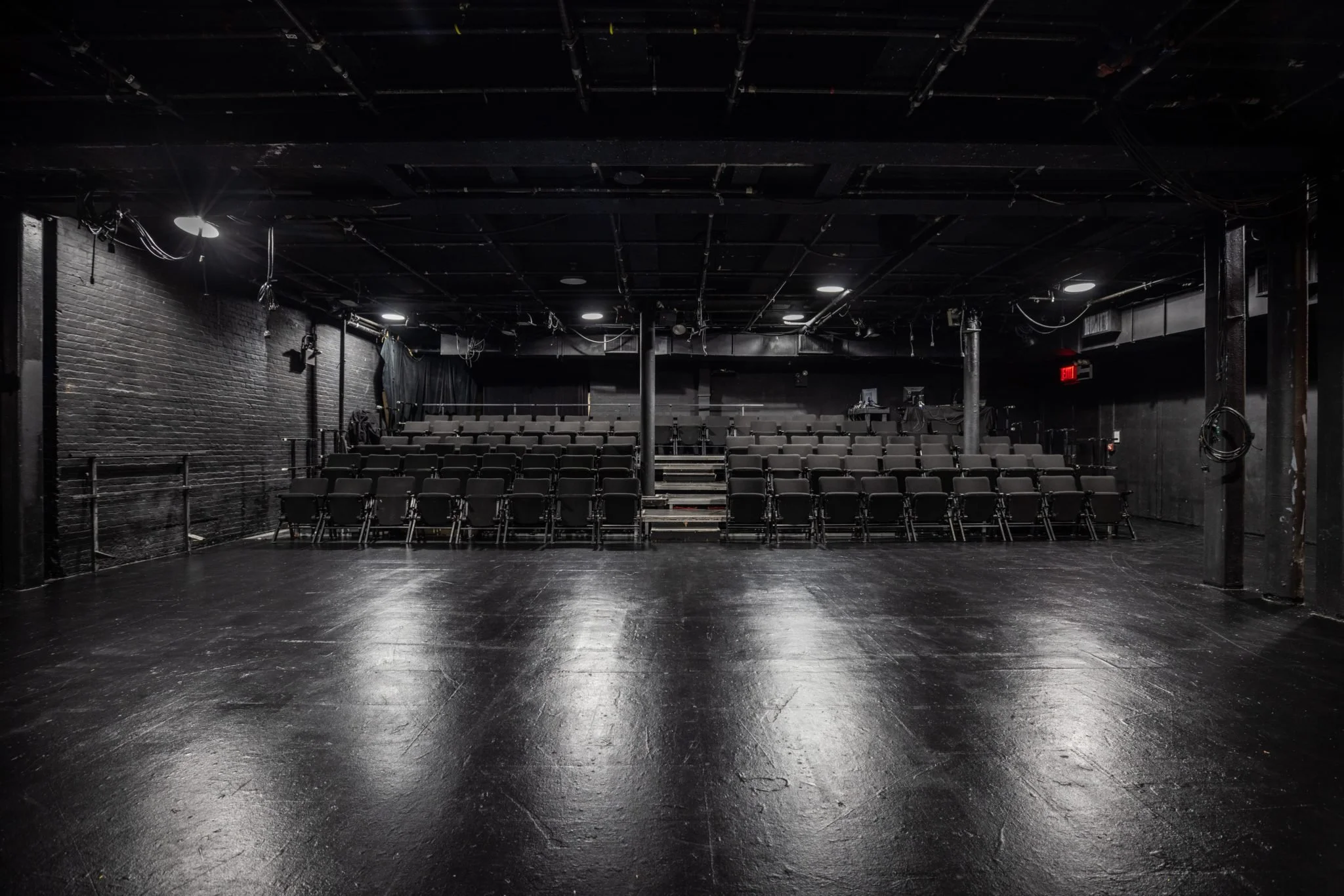
Obstacle or opportunity? Five directors explain how they worked with — and around — Theaterlab’s infamous white pillar.
The actor and playwright talks Tartuffe, his autobiographical solo performances, being a musical theater kid, and what’s next.
SPOTLIGHTS
At the Exponential Festival, the ubiquitous actor is doing more of what he loves: experimental theater, back-to-back plays, and throwing himself “over the cliff.”
The actor reflects on endurance, boundaries, and the creative process—plus backstage snacks—required to take on a millennial epic.
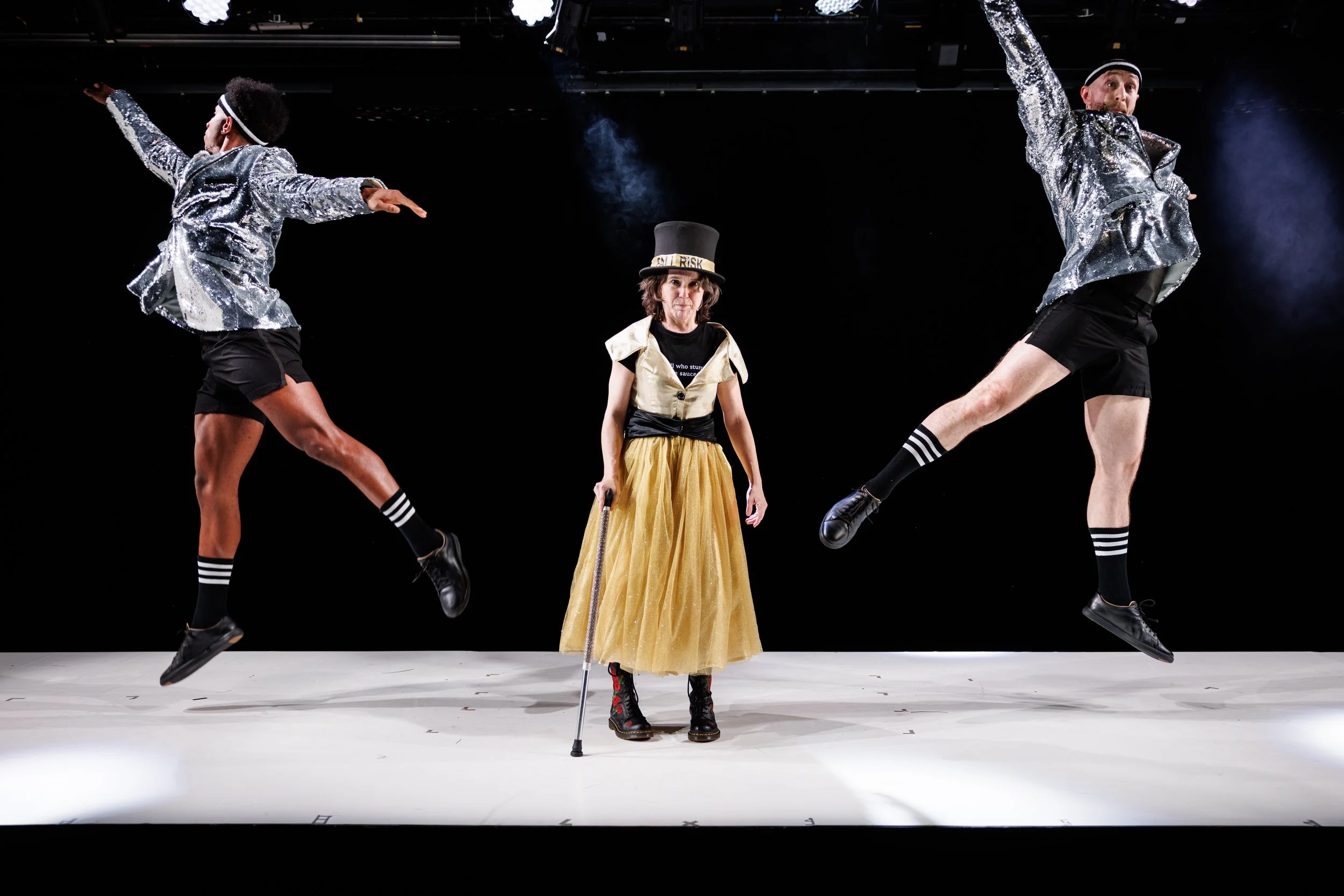
The longtime performance artist discusses turning disability, spectacle, and “dumb theater magic” into Watch Me Walk, her fearless solo show.
December 2025
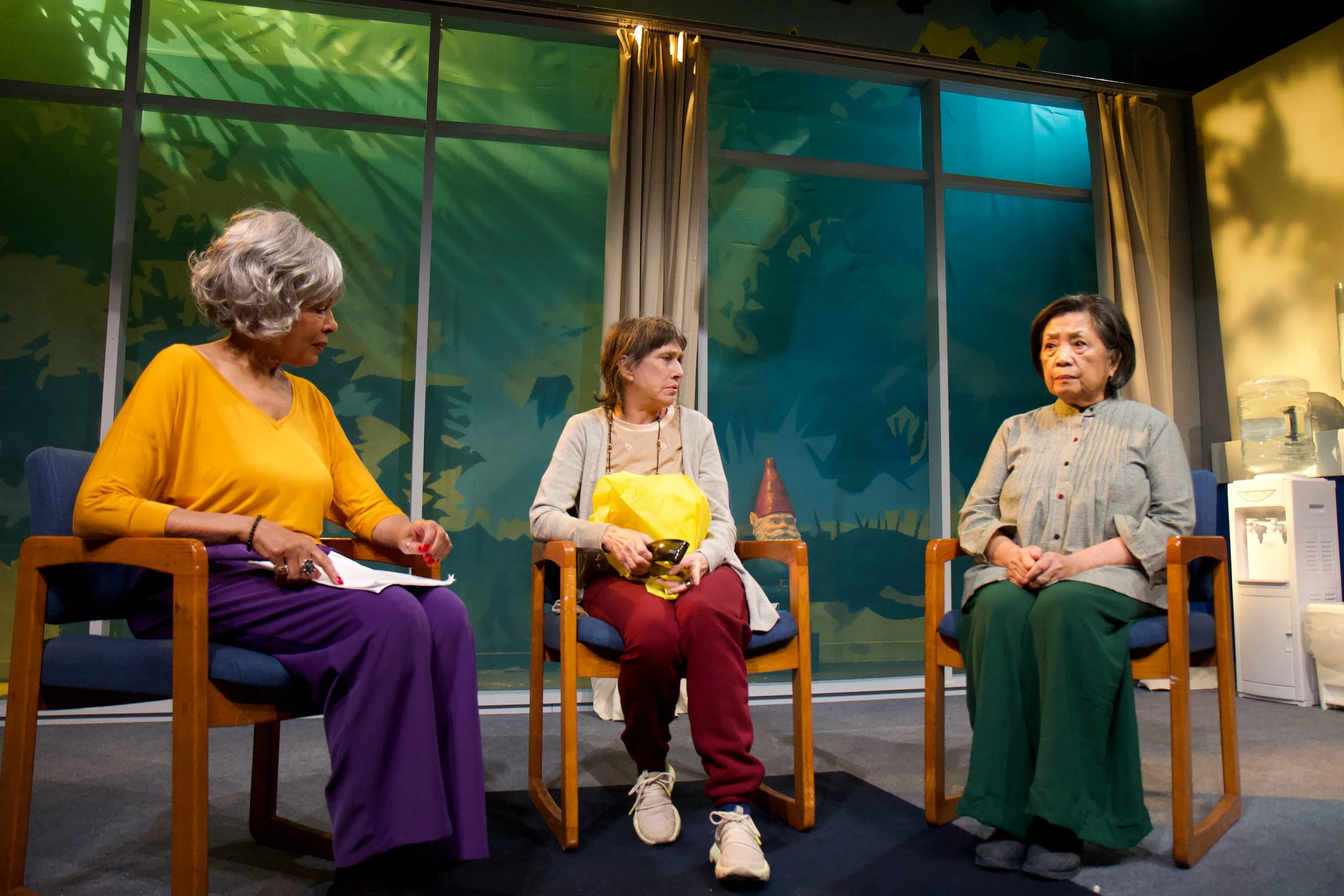
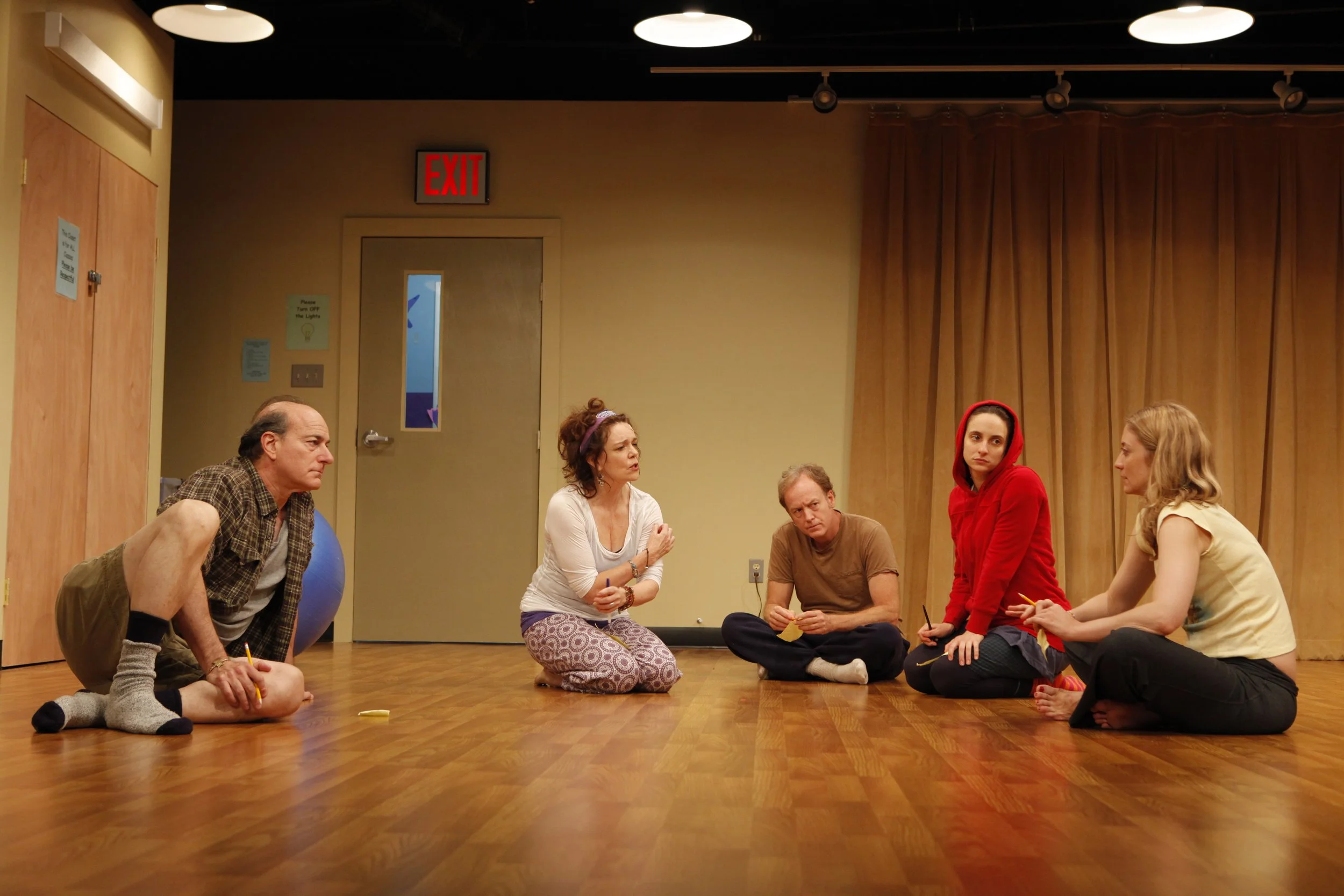
The theater company’s classes and productions have shaped artists across the city—and now Scott Organ’s new play Diversion demonstrates why its “non-acting acting” remains so resonant.
By Jude Cramer
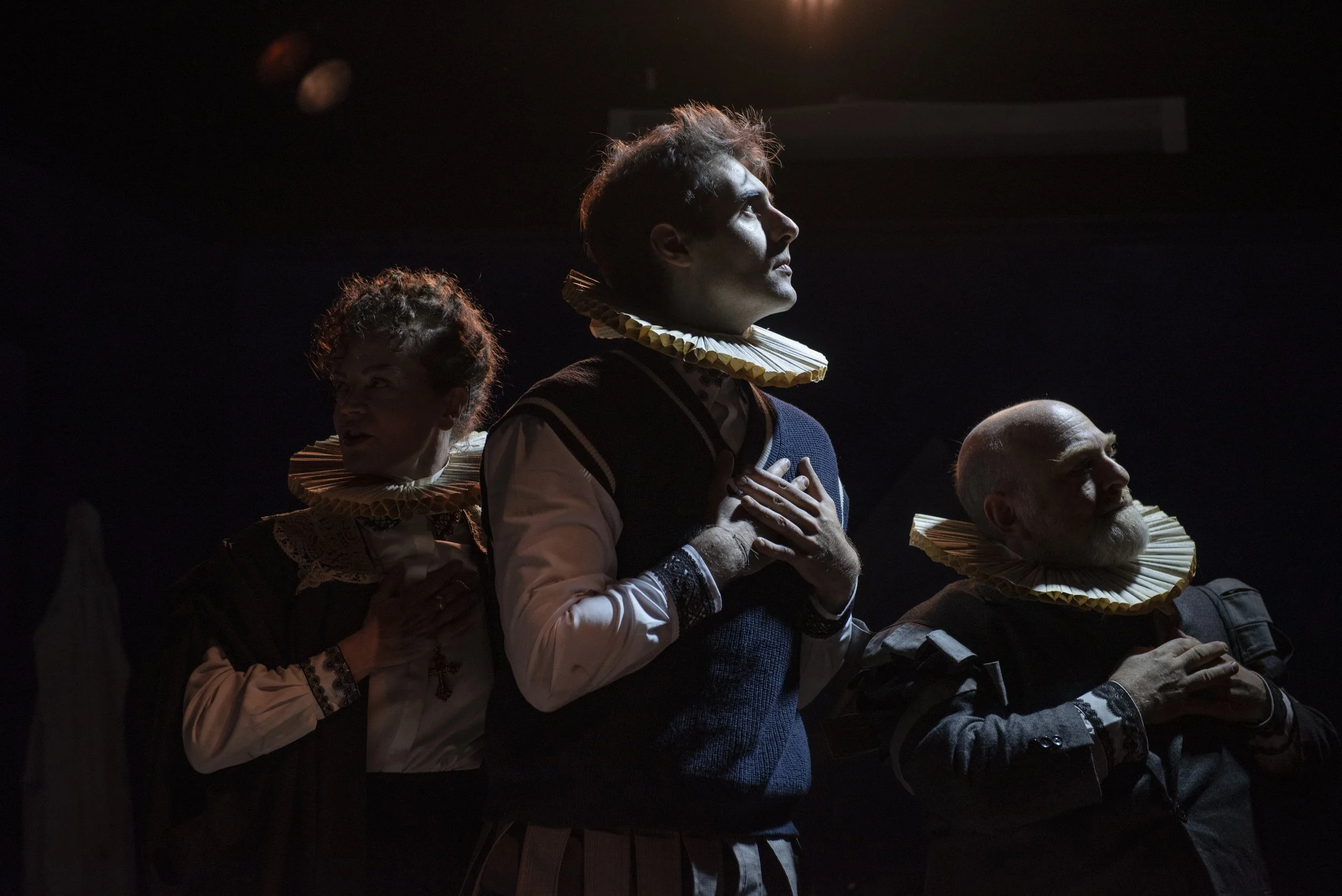
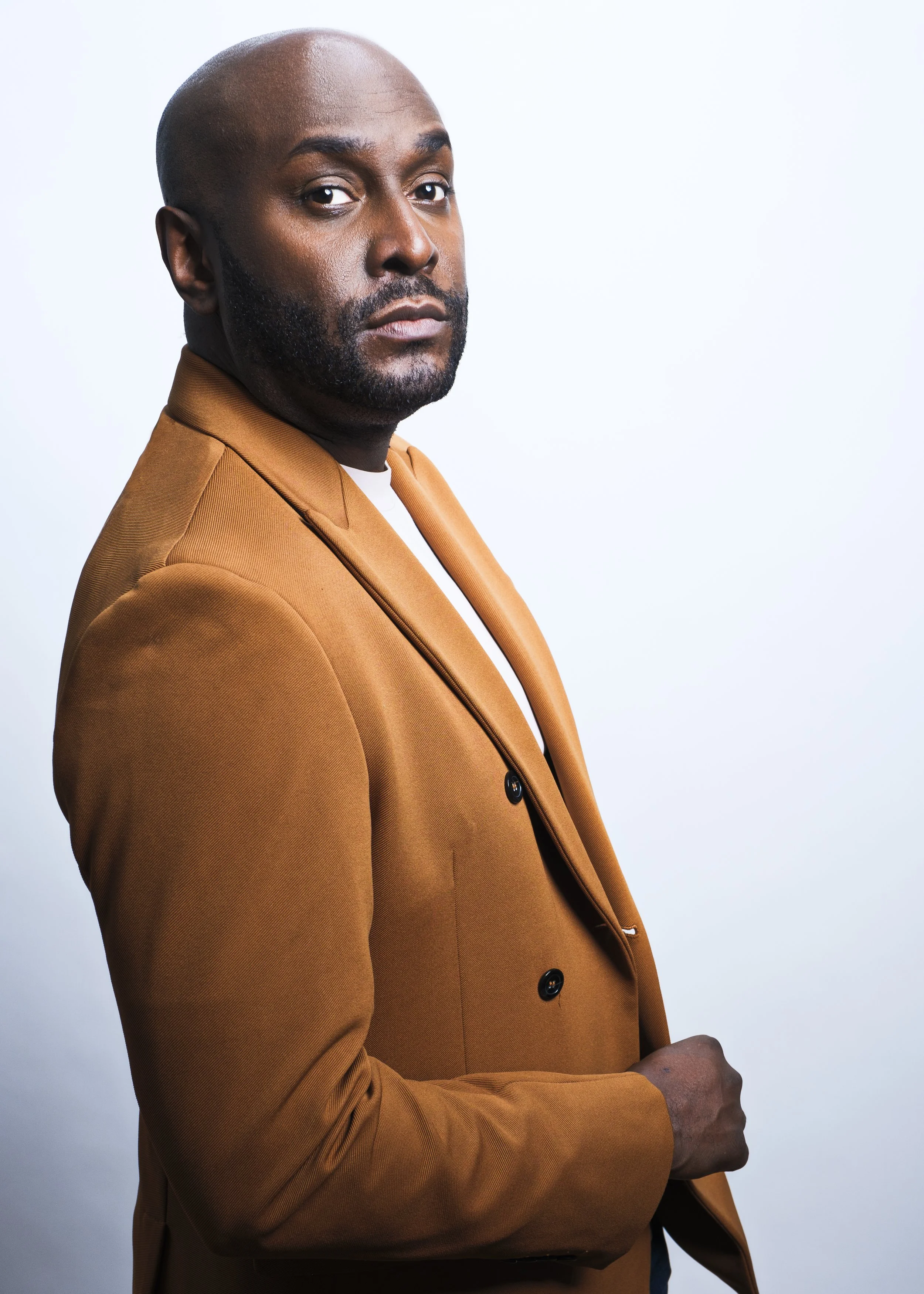
Fresh off his Tony win for Yellow Face, the actor discusses why he finally said yes to Tartuffe, finding the comedy in moral frustration, and the lesson he keeps relearning: “I have a right to be there.”
Jay Alan Zimmerman on composing for the eyes, adapting Sarah Ruhl’s poems, and building a new language for Deaf artists and audiences.
From Rags to Pocahontas to Classic Stage Company, the actor reflects on her evolving career, collaborating with Stephen Schwartz, and why an old-fashioned musical comedy feels surprisingly right for this moment.
SPOTLIGHTS
The playwright Hilary Bell discusses collaborating with composer Greta Gertler Gold, developing new work in New York, and honoring the classic Australian story rooted in female struggle and First Nations history.
Eight years into her tenure as artistic director of the Tank, Finn reflects on the nonprofit’s revolutionary production model, sharing the reins with Johnny G. Lloyd, and mounting “Everything Is Here.”
November 2025
For two decades, Gingold Theatrical Group’s David Staller has championed George Bernard Shaw—and he’s convinced the playwright still has something to say in 2025.
By John DeVore
What makes a successful writer-director partnership? Writer Kate Douglas explores this essential question through conversations with long-term creative pairs, as well as her own work with director Kate Whoriskey.
Playwright Lia Romeo and director Katie Birenboim discuss their collaboration on The Lucky Ones, a play that tests the bonds of female friendship amid life, illness, and desire.
As his new musical Beau launches its uptown run, the multi-hyphenate artist discusses daily habits, building community, and why artists need more than one creative fire burning.
SPOTLIGHTS
Through the Without a Net initiative, the theater company and the real-life siblings invite audiences into their workshop of Shakespeare’s fastest farce.
Ruth Sternberg spent 18 years as the backbone of the Public Theater. Now she's making her acting debut in the same building she helped run, in Ethan Lipton’s The Seat of Our Pants.
October 2025
Fresh venues, small shows, big names. The industry is restless, inventive—and under pressure to prove why it matters now.
By Tim Teeman
Composer-lyricist Adam Gwon traces the moments when theater collapses the distance between artist and audience, offering something private, urgent, and transformative.
The Severance star draws from her Evangelical past in a daring solo play that confronts trauma, faith, and control.
With her solo show Did You Eat? (밥 먹었니?) at the Public Theater, the actor-playwright turns personal history into a fearless exploration of family, identity, and community.
SPOTLIGHTS
In The First 3 Minutes of 17 Shows, the comedian experiments with styles, props—and even the audience—to explore what it means to start over after loss.
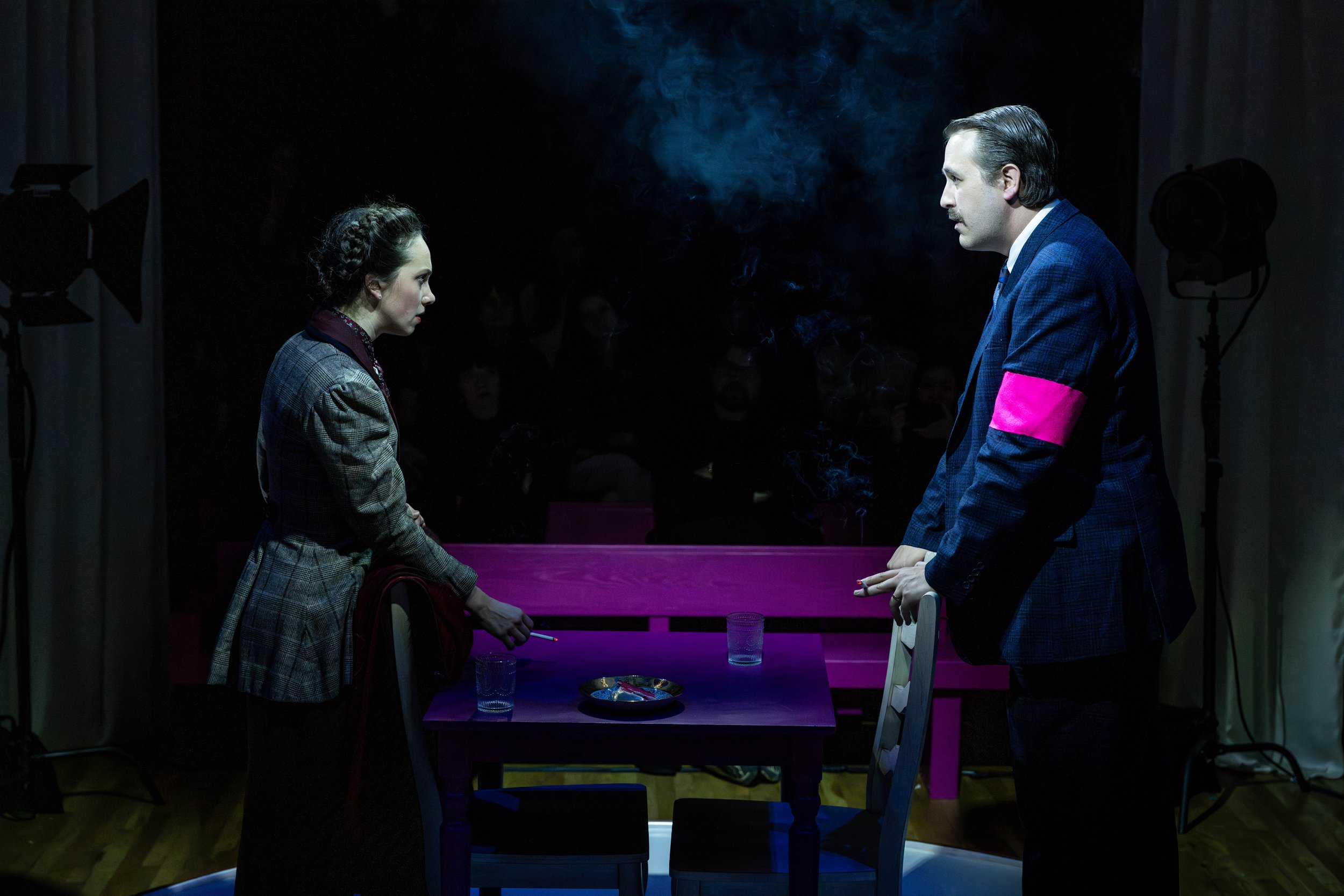
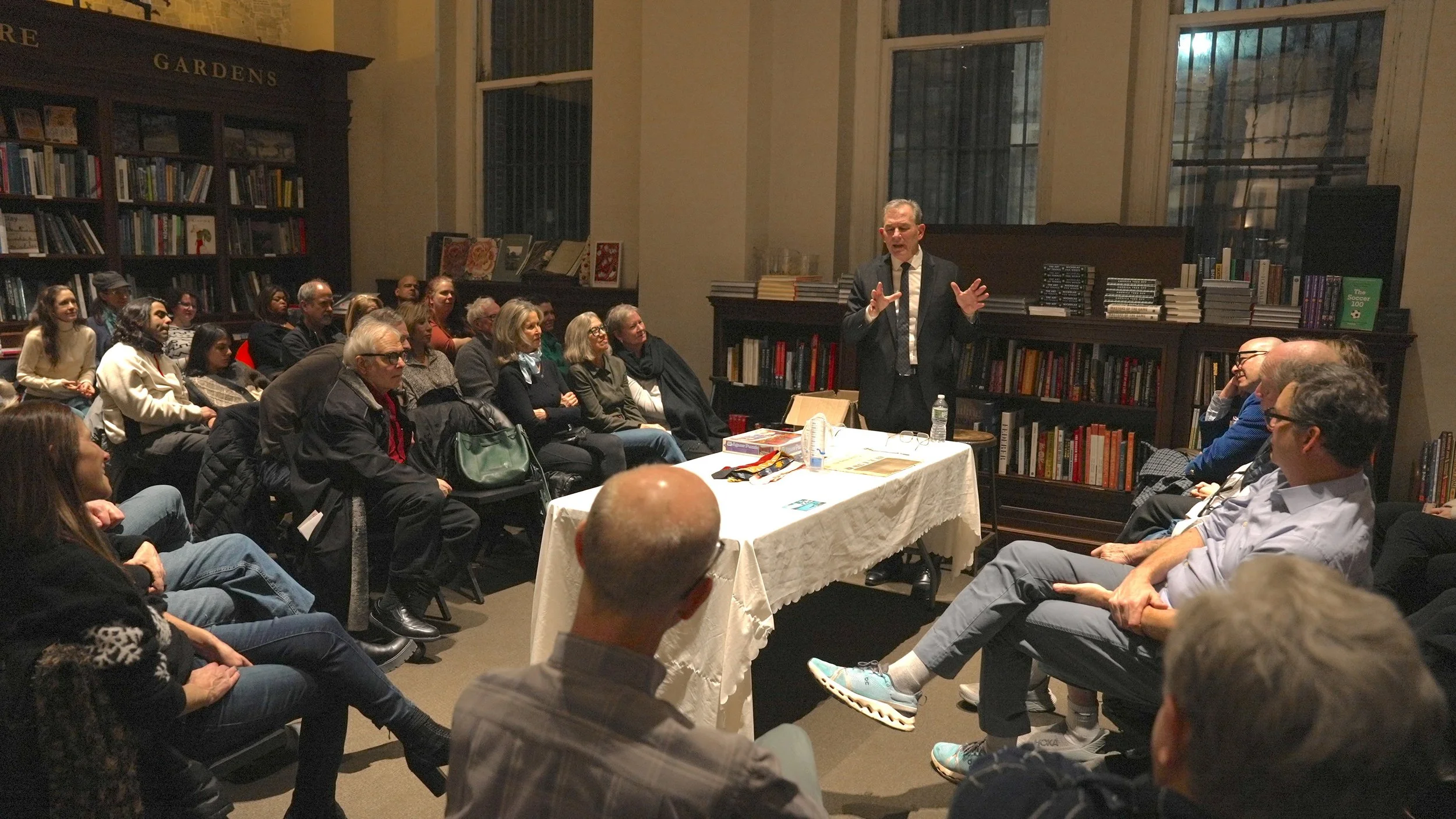
The Mint Theater, whose mission is to stage forgotten plays from the past, resurrects Sally Carson's Crooked Cross, a warning about the rise of fascism. Director Jonathan Bank and dramaturg Amy Stoller share their insights into Carson's work, the Mint's process, and the play's contemporary resonance.
The playwright’s shape-shifting new work uses an invented Victorian melodrama to excavate his grandfather's anti-fascist legacy—and confront his own identity.