

Meghan Finn on Taking the Tank to New Heights
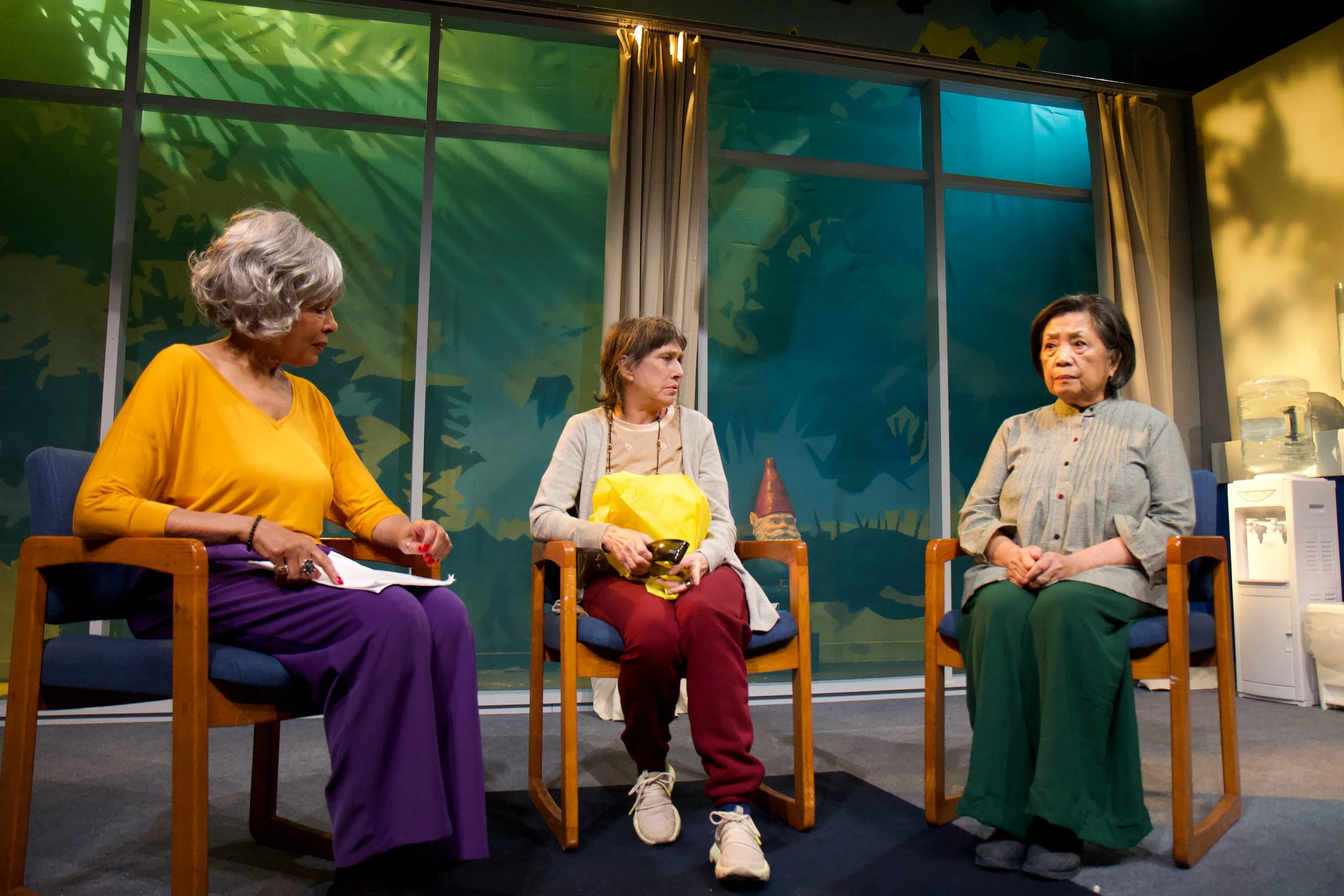
Petronia Paley, Jan Leslie Harding, and Mia Katigbak in Peggy Stafford’s Everything Is Here, directed by Meghan Finn. Photo: Mari Eimas-Dietrich.
For early career theater-makers in New York City, the Tank is synonymous with opportunity. In an industry where most doors seem closed unless you have connections, wealth, or representation, the nonprofit theater on West 36th Street offers something radical: free performance spaces for new work, serving more than 2,500 artists and presenting more than 1,000 performances every year.
Rather than requiring funds from artists up front, the Tank profits from box-office splits. Attending a Tank show won’t break the bank, either: artists generally have control over their own ticket prices, starting as low as $15 and rarely exceeding $35.
Over the past eight years, the Tank has been led by artistic director Meghan Finn, whose work there earned her a 2024 David Prize, which recognizes five extraordinary changemakers living and working in New York City. But long before she took the helm at the Tank, Finn was an ardent supporter and director of new work.
“I’ve always been interested in getting plays out of drawers and done,” Finn says. “The new play development process leads to a lot of really great ideas never seeing the light of day. And so there needs to be production models that people can access that aren’t only an Off-Broadway show that costs $300,000–500,000.”
Finn moved to New York City 21 years ago to attend Brooklyn College’s postgrad directing program. From there, she worked as a freelance director and producer, which led her to cross paths with Rosalind Grush, then the artistic director of the Tank, who was looking for someone to take over her role. “She was like, ‘Do you know anyone crazy enough to take this job at the Tank?’” Finn recalls. Luckily, Finn was just the crazy person she needed, and took on the mantle of artistic director herself.
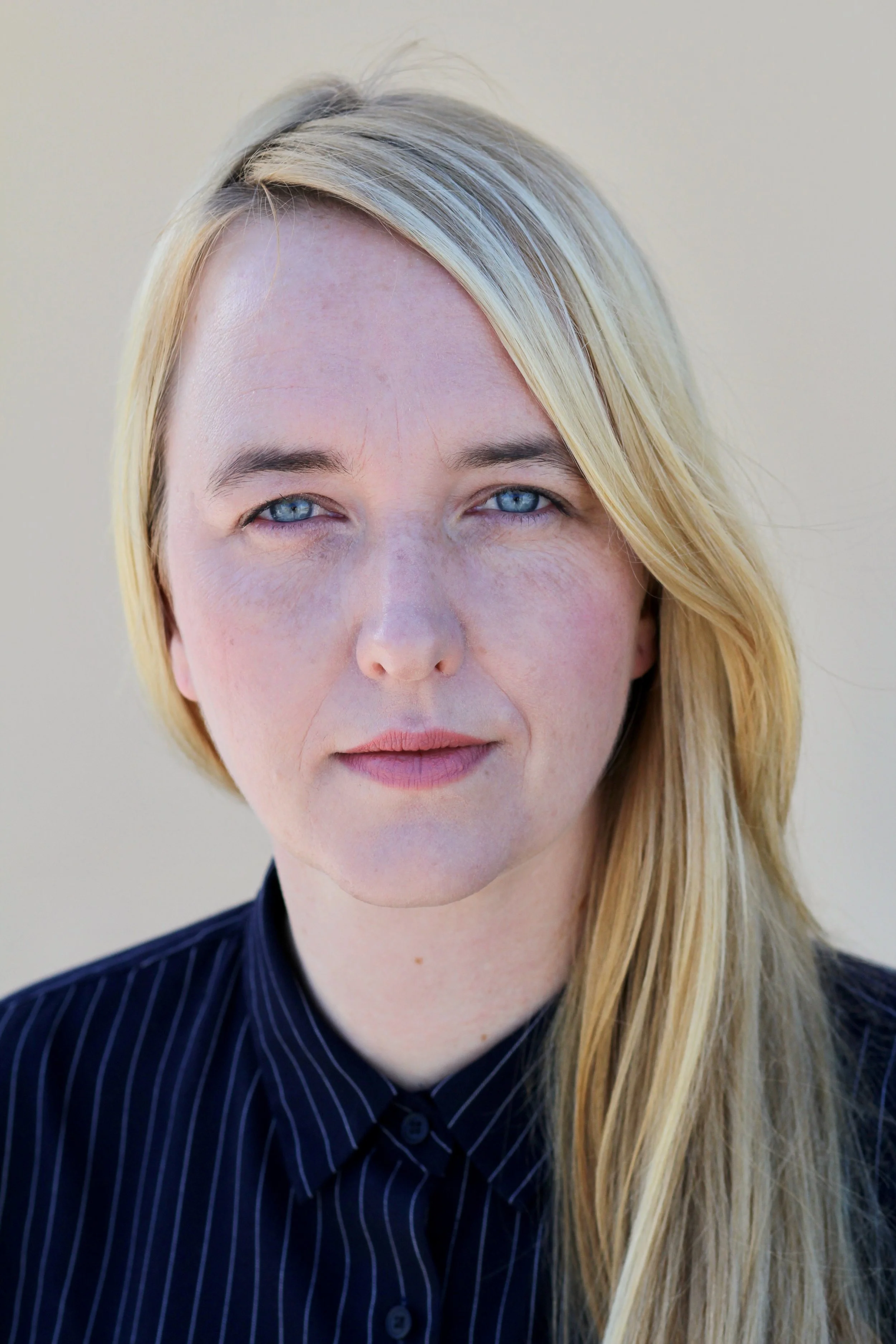
“I’ve always been interested in getting plays out of drawers and done.” —Meghan Finn
Photo: Sammy Tunis.
The volume of work performed at the Tank surpasses nearly every other performance space in the city. “I think people get tired when they think about the Tank and all the work we do,” Finn jokes. “It’s like, how can so much work happen in one place? But it really is the artists, and the ethos of, if you provide the artist a space, they come and they make work.”
Around the same time Finn was stepping into her new role at the Tank, she came across a play by Peggy Stafford called Everything Is Here. The play follows a trio of women living at the Center, an assisted-living community, who reflect on their pasts, presents, and futures amid practicing scenes for a community theater production of A Streetcar Named Desire.
When Finn first directed the play eight years ago (a timeline that catches her off-guard as the words leave her mouth: “What? That sounds crazy!”), it was part of a reading series at the Vineyard Theatre. Nearly a decade later, she’s mounting a full production of the show in the Tank’s fall season, a collaboration with New Georges presented at 59e59 Theaters.
“It’s thrilling that now, after all these years, we’re getting to revisit this,” she says. Even though the show is full of levity, part of what drew her to the play is the serious side of its subject matter.
“I think that we don’t value people as they’re becoming older. We’re not encouraged to value the experience of life at all of its stages, and I can be guilty of that, too. You know, we are always making the new thing,” she says. “I’m really interested in, and Peggy has been interested in, giving voice to these characters at a later stage in their lives and what they’re learning and how they’re understanding their reality differently.”
“The more that we make space for culture in the city at a level that people can afford, that’s where the next generation of culture enthusiasts and culture makers can grow. That’s what New York should be.”
Finn’s team of collaborators includes a stellar five-person cast; scenic designer Richard Hoover, who’s best known for his production design on the first two seasons of Twin Peaks; and choreographer Lisa Fagan, who crafted movement inspired by Samuel Beckett’s short play Come and Go, which served as a major point of inspiration for the play at large. Creative movement is one of many ways Everything Is Here offers a fresh perspective on a generation of women too rarely seen onstage.
“There’s a lot of fear around aging that we’re encouraged to have, and I’m interested in cultivating a different way of seeing when we’re talking about people in different stages of their lives,” Finn says.
In November, the Tank announced that its director of artistic development, Johnny G. Lloyd, who’s held that position for the past five years, will be joining Finn as a co-artistic director. According to Finn, Lloyd’s new title is less a change in responsibility, and more a recognition of the work he already does for the theater.
“It feels like we’re just making it official, honestly,” Finn says. “We do so much at the Tank, so very much, that he really deserves to have people engage with him in the broader New York theater world as an artistic director, and see what comes of those partnerships. And I’m really thrilled to collaborate with him. He’s just the best and it’s been wonderful working with him so far, and I’m excited to see what happens next.”
Outside of shake-ups in leadership, are any major changes planned for the Tank? Nothing concrete, Finn says—though she warns that “on any given day, we threaten to take over more space!”
“I can’t believe I’m telling you this. Breaking news: I would not be surprised if the Tank expanded,” says Finn. “But I do think we also like to be nimble and small enough that we can really connect with the artists that we’re working with. So I think if we do grow, it will be within reason.”
Even as the Tank expands, she wants other theaters to follow its example. It’s a trend she’s aiming to jumpstart with her ongoing RE/VENUE NYC project, which applies the Tank’s model of providing free space to artists to other venues around the city that are sitting unused between productions. Now more than a year into its formation, RE/VENUE has already produced seven pop-up festivals, with more on the horizon.
Finn hopes other theaters will participate in similar resource-sharing models, expand their spaces, and build long-term partnerships. “The more that we make space for culture in the city at a level that people can afford, that’s where the next generation of culture enthusiasts and culture makers can grow,” she says. “That’s what New York should be.”